
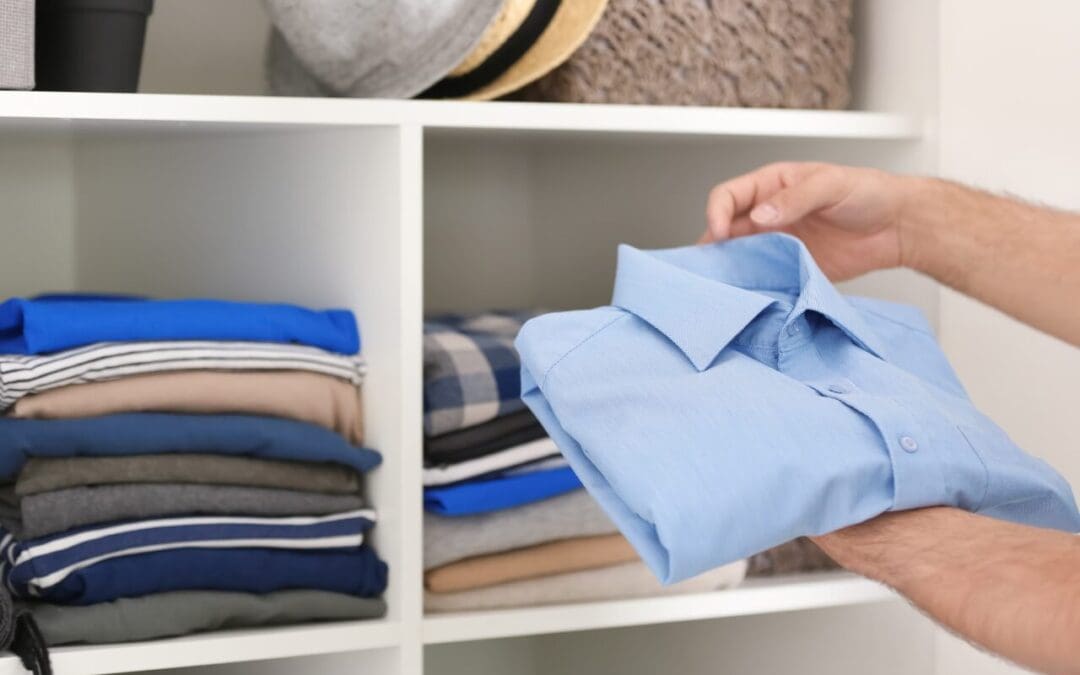
Closet organization is one of those home projects that most people approach by buying containers first and thinking second, which is why most efforts produce a neater version of the same problem rather than a functional system. The closets that stay organized long-term aren’t the ones with the most matching bins or the most elaborate custom shelving. They’re the ones designed around how the specific person who uses them actually operates, with storage that makes returning items easier than leaving them out. Before any product is purchased, the process that actually works starts with editing, continues with assessment, and only then moves to solutions.
Edit Before You Organize
The single most important closet organization step is removing what doesn’t belong before attempting to organize what does. A closet filled with items that are rarely used, no longer fit, belong elsewhere, or simply shouldn’t be kept cannot be organized into functionality; it can only be arranged. Pulling everything out, evaluating each item honestly against whether it’s actually used and belongs in that specific closet, and removing what fails that test reduces the volume that needs to be stored. In most closets, that reduction alone eliminates the storage problem that prompted the project in the first place.
Closet Organization Around How You Actually Use the Space
Once the closet contains only what belongs in it, the organization should reflect how the space is used rather than how it looks in a showroom. Items used daily belong at the most accessible locations, at eye level and arm’s reach. Items used weekly belong slightly above or below that zone. Items used seasonally belong at the highest shelves, the floor, or in labeled bins at the back. This frequency-based closet organization approach means the things reached for most often require the least effort to access and return, which is what makes the system sustainable rather than decorative.
Use the Vertical Space Most Closets Waste
The most consistently underused dimension in closet organization is vertical height. Most closets have a single rod and a shelf above it, a configuration that leaves significant space below hanging items and above the shelf entirely unused. Adding a second hanging rod below shorter items like shirts and jackets doubles hanging capacity without adding floor space. Shelf risers, stackable bins, and additional shelving above the existing shelf address the vertical zone that most closet organization systems ignore. The floor of the closet, treated as storage rather than a landing zone for whatever doesn’t have a home yet, accommodates shoe racks, drawer units, and bins that keep floor-level items contained rather than scattered.
Closet Organization That Stays That Way
The closet organization system that holds up over time has enough spare capacity that returning an item doesn’t require rearranging everything around it. A closet filled to its maximum stays disorganized, because there’s no room to put anything back correctly. Building in breathing room, maintaining the edit habit seasonally, and keeping the system simple enough that every household member can use it correctly are what make closet organization a permanent state rather than a recurring project.
AmeriSpec Inspection Services offers home inspections in Southwest Ohio and Northern Kentucky. Contact us to schedule your appointment today.