
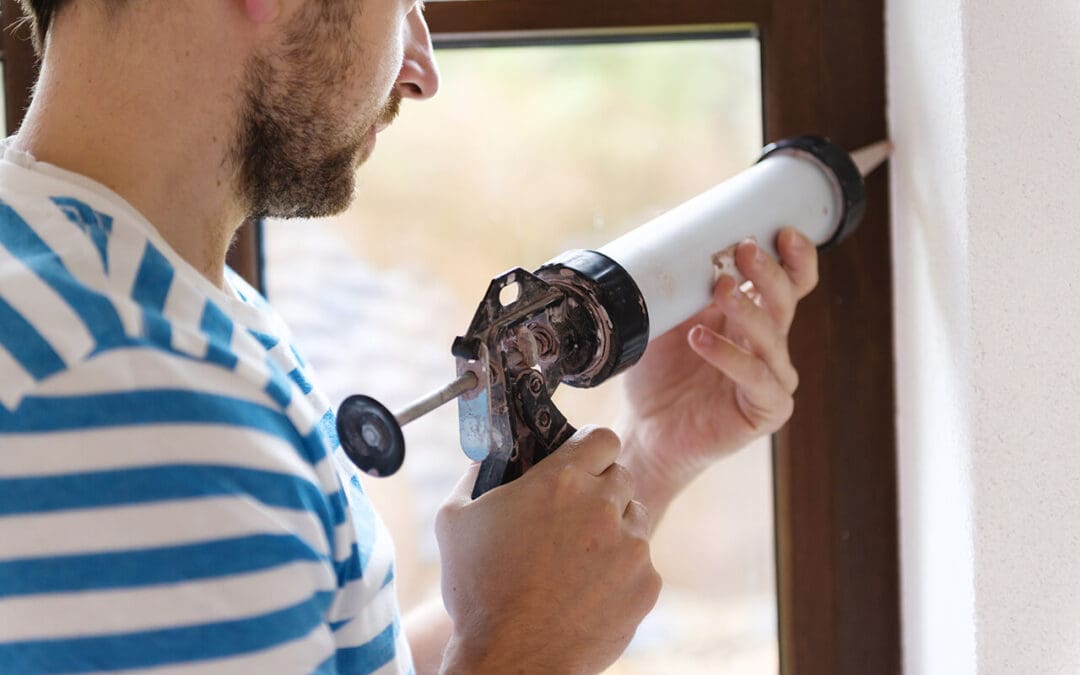
Many Cincinnati-area neighborhoods are full of homes with original wood windows, and they’re a big part of what makes those houses special. They’re also a common source of drafts, rattles, and high heating bills. The good news is that old windows can often be made tight and efficient again without replacing them. A few weekend projects can bring back comfort while keeping the character you love. Here’s how to improve them, and how to decide when replacement makes more sense.
Fix the Drafts in Old Windows First
Start by finding where the air is leaking. On a windy day, hold a candle or an incense stick near the edges of each window and watch for movement. Replace worn weatherstripping around the sashes and frames, using the type that fits your window style. Seal gaps in the exterior trim with fresh caulk, and fill interior gaps between the casing and the wall. Make sure the sash locks pull the window tightly closed, since a lock that doesn’t engage lets air slip through. If the glazing putty around the glass is cracked or missing, replace it to stop air and moisture. Interior plastic film kits and removable rope caulk offer quick, inexpensive fixes for the coldest weeks.
Repair Sticking, Rattling, and Rotting Sash
Many old windows can be repaired with basic tools. A window that sticks usually has paint buildup, which you can fix by scoring the paint lines and rubbing a little paraffin wax on the tracks. A rattling sash may only need its stops adjusted. Probe wood with a screwdriver to check for rot, and repair small areas with an epoxy wood filler before repainting. Be careful with homes built before 1978, since the paint may contain lead. Use lead-safe practices, or hire a certified renovator. Repairing sashes, replacing broken cords, and repainting the exterior also protects the wood from moisture, which is the main cause of rot.
Add Storm Windows to Improve Old Windows
Storm windows are one of the most cost-effective upgrades. An exterior or interior storm window adds a second layer of glass and a pocket of still air, which can cut heat loss dramatically for much less than the cost of full replacement. Low-emissivity storm windows add even more insulation. For a temporary fix, shrink-wrap window film kits work well in winter. Heavy curtains or cellular shades add another layer of protection, and they help make rooms feel warmer near the glass.
Know When Replacement Is the Better Choice
Old windows aren’t always worth saving. Widespread rot, structural damage to the frame, fogged insulated glass, and sashes that can’t open or close safely may justify replacement. In bedrooms, make sure windows can still serve as an emergency exit. Compare the cost of repair and storm windows against replacement, and ask about options in wood or fiberglass that match your home’s style. If you live in a historic district, check the rules before making changes. Get a few quotes so you can compare. Whichever route you choose, a good installer will air seal and insulate around the frame, which makes as much difference as the window itself.
AmeriSpec Inspection Services offers home inspections in Southwest Ohio and Northern Kentucky. Contact us to schedule your appointment today.